Food In Haiti Recipes: Exploring Haitian Cuisine and Flavorful Dishes
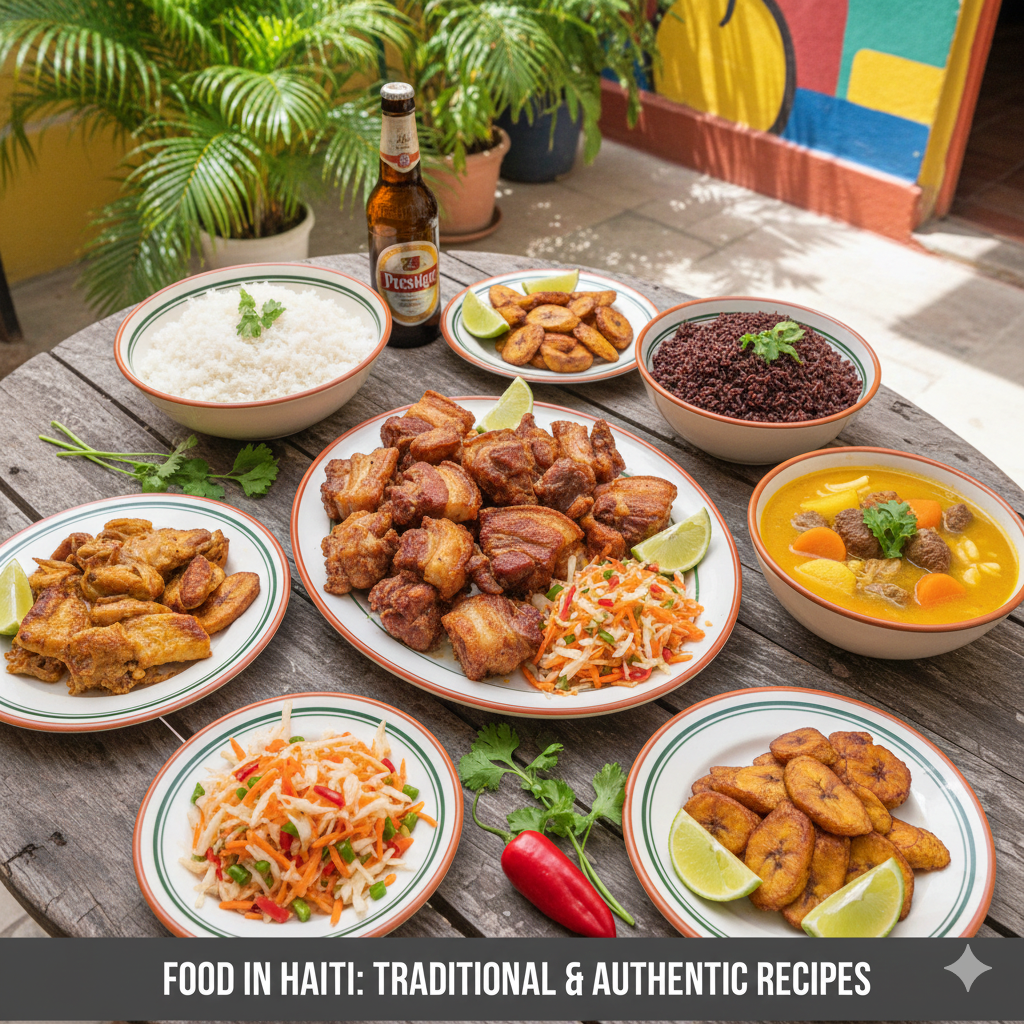
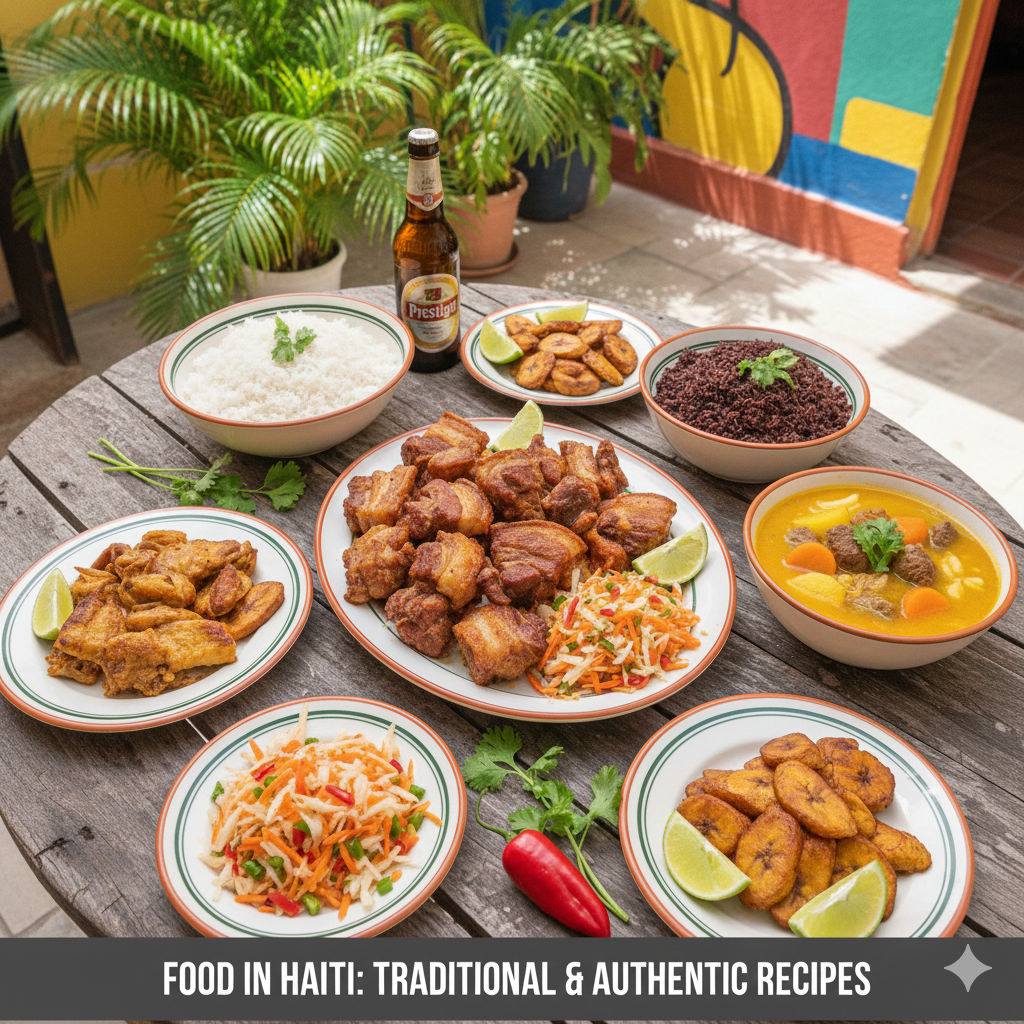
Food in Haiti Recipes is a vibrant fusion of French, African, and indigenous Taíno influences. The food in Haiti is deeply rooted in the country’s rich history, culture, and traditions, offering a diverse range of flavors and ingredients. From hearty stews to delicious street foods, Haitian food brings together unique spices, fresh vegetables, and savory meats in a way that tells the story of the Haitian people.
In this guide, we’ll dive into popular Food in Haiti Recipes, explore the key ingredients used in Haitian cooking, and provide you with easy-to-follow recipes for meals like Haitian rice and beans, griot, and other delicious dishes. Whether you’re a fan of traditional Haitian food or just looking to explore new flavors, this guide will provide you with everything you need to create authentic Haitian meals at home.
The Essential Ingredients in Haitian Cooking
Rice and Beans: A Staple of Haitian Cuisine
One of the most important staples in Haitian cuisine is rice and beans. This dish is often served as a side dish or as part of a larger meal. It is made using red beans, kidney beans, or black beans, and it is cooked with garlic, onions, and thyme to infuse the beans with rich flavors. It is typically served with meat such as pork, chicken, or beef, making it a complete and hearty dish.
Rice and beans can be paired with a variety of sauces, including a spicy sauce ti-malice, or it can be served alongside other traditional Haitian dishes like griot (fried pork) or lambi (conch).
Seasonings and Spices: Bringing Flavor to Haitian Food
Haitian food is known for its bold and vibrant flavors, which are achieved through the use of various seasonings and spices. Some of the most common ingredients used in Haitian cooking include:
- Scotch bonnet peppers – This fiery pepper adds heat and depth to many Haitian dishes.
- Clove – A warm and aromatic spice often used in stews and marinades.
- Thyme – A key herb used in many Haitian dishes for its earthy flavor.
- Garlic and onions – These two ingredients form the base of many Haitian recipes, providing a rich and savory flavor.
- Bouillon cubes – Haitian cooks often use bouillon cubes to add depth and richness to stews and soups.
These ingredients, along with others like parsley, bay leaves, and cinnamon, give Haitian dishes their distinctive flavor profile.
Popular Haitian Recipes You Must Try
Griot (Haitian Fried Pork)
Griot is one of the most famous and beloved dishes in Haiti. It consists of pork shoulder that is marinated in citrus juice, garlic, and spices, then fried until crispy on the outside and tender on the inside. Griot is typically served with pikliz, a spicy Haitian pickle made from cabbage, carrots, and scotch bonnet peppers, adding a tangy crunch to the dish.
Ingredients:
- 2 lbs pork shoulder or pork belly
- 2 lime or lemon (for marinating)
- 6 cloves garlic, minced
- 1 tablespoon thyme
- 1 tablespoon scotch bonnet pepper (optional for spice)
- Salt and black pepper to taste
- Vegetable oil for frying
Instructionts to make Food In Haiti Recipes:
- Cut the pork into bite-sized cubes and marinate with lime juice, garlic, thyme, scotch bonnet pepper, salt, and pepper. Let the pork marinate for at least 1 hour, preferably overnight.
- Heat oil in a frying pan over medium heat.
- Add the marinated pork and fry until golden brown and crispy on the outside, about 25-30 minutes. Be sure to stir occasionally to avoid burning.
- Drain excess oil and serve with pikliz or a side of rice and beans.
Haitian Rice and Beans
As mentioned earlier, rice and beans is a quintessential Haitian dish. This dish can be served alongside almost any Haitian main dish and is often paired with griot or stewed chicken. The beans are cooked with herbs, spices, and coconut milk to add depth and creaminess to the dish.
Ingredients:
- 1 cup red beans (or kidney beans)
- 2 cups white rice
- 1 cup coconut milk
- 1 small onion, chopped
- 3 cloves garlic, minced
- 1 tablespoon thyme
- 2 tablespoons vegetable oil
- 1 scotch bonnet pepper (optional for spice)
- Salt and black pepper to taste
Instructions:
- Rinse the beans and soak them in water overnight to reduce cooking time.
- In a pot, sauté the onions, garlic, and thyme in vegetable oil until fragrant.
- Add the soaked beans, water, coconut milk, and scotch bonnet pepper. Bring to a boil and then reduce to a simmer. Cook until the beans are soft and tender (about 1 hour).
- Add the rice to the pot and stir. Cover and cook the rice according to package instructions, about 15-20 minutes.
- Fluff the rice and beans together and serve with your favorite Haitian dish.
Haitian Lambi (Conch Stew)
Lambi, or conch, is another traditional Haitian dish that’s full of flavor. It’s often slow-cooked with herbs and spices to create a rich and tender meal. Conch is prized for its chewy texture and delicate flavor, making it an excellent choice for stews.
Ingredients:
- 2 lbs conch meat
- 1 onion, chopped
- 3 cloves garlic, minced
- 1 teaspoon thyme
- 2 tablespoons vegetable oil
- 2 tomatoes, chopped
- 1 scotch bonnet pepper (optional)
- 2 cups chicken broth
- Salt and black pepper to taste
Instructions:
- Clean the conch meat thoroughly, removing any debris or grit.
- In a large pot, heat the oil over medium heat and sauté the onions and garlic until softened.
- Add the chopped tomatoes, thyme, scotch bonnet pepper, and conch meat. Cook for a few minutes to release the flavors.
- Add the chicken broth and simmer on low heat for 1-2 hours, or until the conch meat becomes tender.
- Season with salt and pepper to taste and serve with rice or bread.
Haitian Food Culture and its Influence on the World
Haitian food is influenced by a combination of French, African, and indigenous Taíno cuisines. The food in Haiti is flavorful and robust, with heavy use of spices, herbs, and citrus to infuse dishes with bold flavors. The use of rice, beans, and root vegetables as staple ingredients makes Haitian food hearty and comforting.
Many Haitian dishes, such as griot, rice and beans, and lambi, have made their way into global food culture. These dishes are celebrated for their complex flavor profiles, as well as their ability to bring people together in the spirit of celebration and sharing.
Conclusion
Food in Haiti is an essential part of the culture and provides a window into the country’s rich history and vibrant traditions. From savory stews to delicious rice and beans, Haitian food is not only flavorful but also deeply rooted in family and community. Whether you’re looking for a comforting meal like griot, a hearty dish like lambi, or a simple side like rice and beans, Haitian recipes bring warmth and joy to the table.
By trying these Haitian recipes at home, you can enjoy the flavors of Haiti and share in the country’s culinary heritage. Experiment with different ingredients, adjust spices to suit your taste, and explore the delightful and diverse world of Haitian cuisine.
FAQs
1. What is the most popular dish in Haiti?
The most popular dish in Haiti is griot, which is fried pork marinated in citrus juice, garlic, and spices. It is often served with pikliz (a spicy Haitian pickle) and rice and beans.
2. Is Haitian food spicy?
Yes, Haitian food can be spicy, especially dishes that use scotch bonnet peppers. However, the level of spice can be adjusted to personal preference by modifying the amount of pepper used in the recipe.
3. Can I make Haitian food at home?
Absolutely! Many Haitian recipes are easy to make at home with ingredients available at local grocery stores or online. Start with dishes like rice and beans or griot, which are popular and simple to prepare.
4. What are some key ingredients in Haitian cooking?
Some key ingredients in Haitian cooking include rice, beans, garlic, onions, thyme, scotch bonnet peppers, and coconut milk. These ingredients help create the bold and flavorful profile of Haitian dishes.