
Maitake Mushroom Recipe: Crispy Roasted Methods at Home
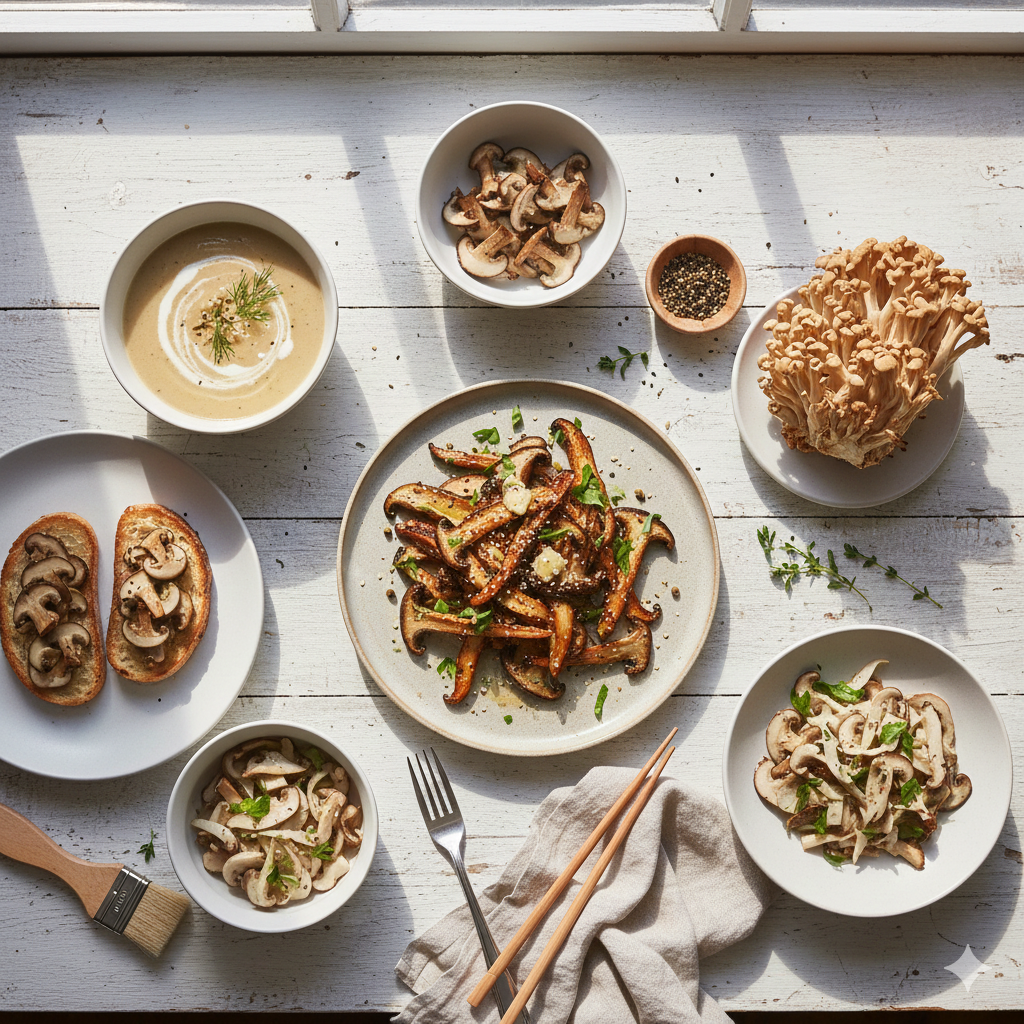
A maitake mushroom recipe can turn one cluster of mushrooms into a full meal, a side dish, or a topping that makes simple food taste restaurant-level. Maitake, often called hen of the woods, has frond-like edges that crisp beautifully, plus a deep, woodsy aroma that plays well with butter, olive oil, miso, soy sauce, garlic, and herbs. Maitake mushroom recipes often feel “fancy” on the plate, yet the cooking is straightforward once the cluster is prepped the right way.
This guide shares practical maitake mushrooms recipes that cover crispy roasting, quick sautéing, air fryer batches, soup, pasta, pickles, and a few Japanese and Chinese-style approaches. It keeps the focus on texture, timing, and flavor balance, so recipes with maitake mushrooms come out browned and savory instead of soggy.
Getting to Know Maitake Mushrooms Before Cooking
Maitake mushrooms grow in clustered fans that look like layered petals. Each frond has thin edges that brown fast, while the thicker base needs more heat to soften. That difference is why a simple maitake mushroom recipe often starts with trimming and tearing rather than slicing into uniform pieces.
Fresh maitake tends to taste peppery, earthy, and intensely savory. When cooked well, maitake mushrooms develop a meaty bite with crisp edges and a tender center. A cook who wants the most reliable results usually focuses on two things: keeping the fronds intact enough to crisp, and using enough heat to drive off moisture.
Fresh vs Dried Maitake Mushrooms
Fresh maitake is ideal for crispy maitake mushroom recipe styles, roasted maitake mushroom recipes, sautéed maitake mushroom recipe pans, and grilled maitake mushroom recipe plates. Dried maitake works best for broths, stews, and a maitake mushroom soup recipe where soaking liquid can be used to deepen flavor.
A dried maitake mushroom recipe often starts with a soak in warm water. The soaking liquid turns amber and fragrant, carrying a concentrated umami note that can boost soup, risotto, noodle bowls, or braises.
Cleaning and Prepping Maitake the Right Way
Maitake tends to hold tiny bits of forest debris between fronds. A gentle brush or a quick wipe with a damp towel is usually enough. If the cluster is gritty, a fast rinse can be used, followed by thorough drying on towels.
Tearing is often better than slicing. Breaking the cluster into medium “fans” keeps the edges intact for crisping. The dense base can be trimmed and chopped smaller, since it takes longer to soften.
Simple Sautéed Maitake Mushroom Recipe
A sautéed maitake mushroom recipe is often the quickest way to learn how maitake behaves. High heat, a wide pan, and patience with browning are the keys. Mushrooms release water early, then start browning once that water evaporates. Stirring too often can slow browning, so a cook usually lets the mushrooms sit until the edges color.
This method fits simple maitake mushroom recipe searches because it uses common pantry ingredients and a short cook time.
Pan Heat, Oil, and Browning Notes
A heavy skillet helps. Cast iron or stainless steel often gives stronger browning than thin pans. Oil should shimmer before mushrooms go in. If the pan is crowded, steam builds and the mushrooms soften before they brown.
Salt timing matters. Salting too early pulls water out fast. Salting after browning starts often gives a better sear. Once the fronds crisp, a cook can finish with a small knob of butter for aroma, or keep it dairy-free with a drizzle of toasted sesame oil.
Flavor Directions That Fit Japanese Maitake Mushroom Recipe Styles
Japanese maitake mushroom recipe approaches often use soy sauce, miso, mirin, ginger, scallions, and sesame. A pan can finish with a spoon of miso mixed with a splash of warm water, then tossed with the browned mushrooms for a glossy coat.
A maitake mushroom recipe japanese finish can also use ponzu-style notes: citrus, soy, and a little sweetness. A squeeze of lemon or yuzu-like citrus brightness lifts the earthy taste and keeps the dish from feeling heavy.
Crispy Roasted Maitake Mushroom Recipe
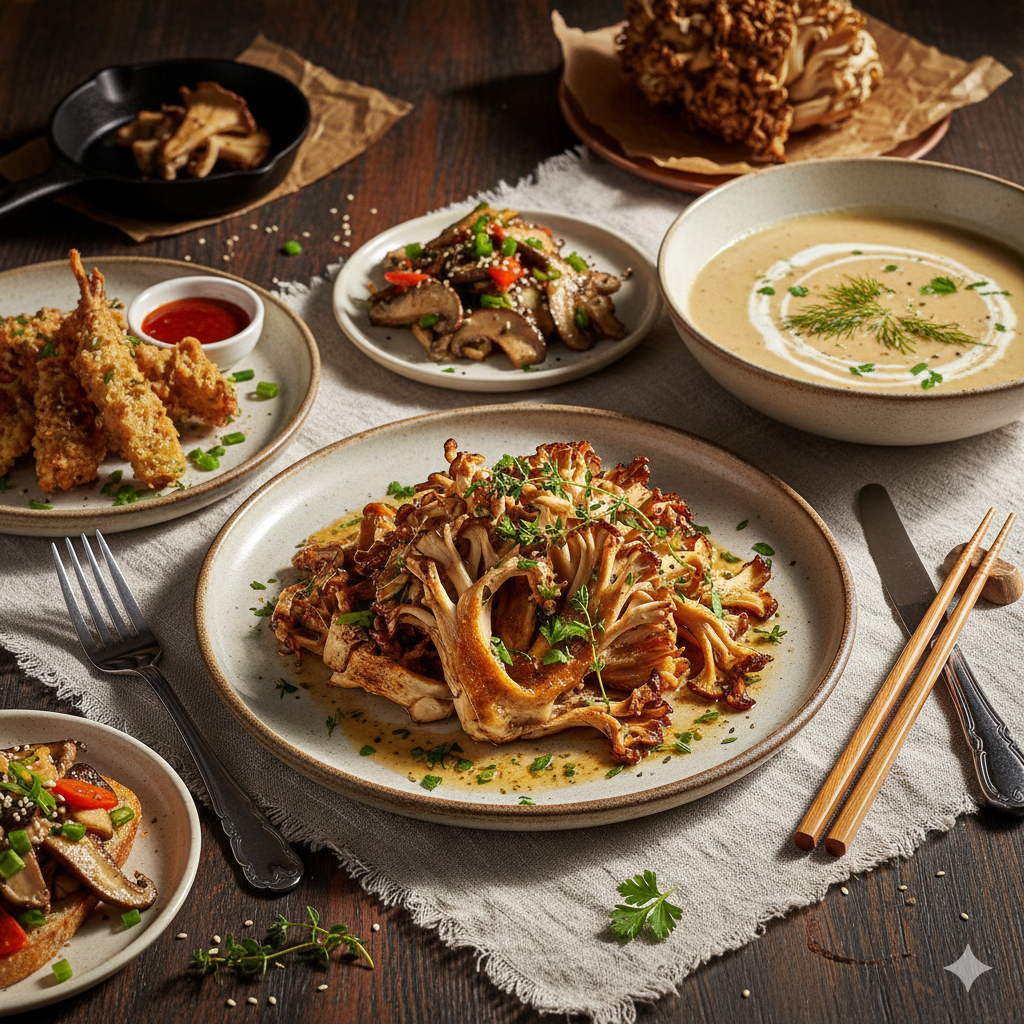
A crispy maitake mushroom recipe often shines most in the oven. Roasting gives even heat that crisps the thin edges while softening the thicker core. This is one of the most consistent “wow” methods for maitake mushroom recipes.
Roasted maitake mushroom recipe results depend on airflow and contact with heat. A hot oven and a preheated pan or heavy sheet help crisping.
Sheet Pan Method for Crispy Roasted Maitake Mushrooms
A cook can tear maitake into medium clusters, dry them well, then toss with olive oil, salt, and pepper. Spreading them in a single layer is crucial. Overlapping causes steaming.
High heat roasting brings out caramelized notes. The fronds turn bronze at the edges and stay tender inside. A finish of flaky salt and a small squeeze of lemon can sharpen the flavor.
How to Keep Roasted Maitake Mushrooms Crisp
Moisture is the enemy of crunch. Drying the mushrooms well before oiling helps. A preheated sheet pan helps the bottoms sear quickly. Turning once during roasting can crisp both sides, though leaving them undisturbed for the first half of the cook often gives the strongest browning.
This roasted maitake mushroom recipe style also works as a topping for rice bowls, eggs, toast, polenta, and salads.
Maitake Mushroom Recipe Air Fryer Method
A maitake mushroom recipe air fryer version can produce crisp edges with less oil and a shorter cook time. The air fryer’s fast circulation works well with maitake’s frilly shape, though overcrowding still causes steaming.
This method is useful for small batches or quick sides.
Air Fryer Timing and Basket Setup
Maitake should be torn into flatter clusters so air can move around each piece. A light oil coating helps browning and prevents dry, papery edges. Cooking in two batches often beats stuffing one crowded basket.
Shaking once during cooking helps even crisping, though constant shaking can break delicate fronds. Gentle handling keeps the clusters intact.
Maitake Mushroom Jerky Recipe Style in the Air Fryer
A maitake mushroom jerky recipe idea leans on low heat and longer time to dry the mushrooms into chewy, savory strips. Thinner fronds dry faster than thick base pieces, so separating thick chunks helps consistency.
A jerky-style seasoning can use soy sauce, smoked paprika, garlic powder, black pepper, and a touch of maple or brown sugar for balance. The goal is dry and pliable, not brittle.
Fried Maitake Mushroom Recipe
A fried maitake mushroom recipe turns maitake into a crunchy snack or appetizer with dramatic texture. Maitake fronds act like natural “shingles,” creating lots of crispy surface area once battered and fried. This style often shows up in fried maitake mushrooms restaurant dishes.
Frying works best when clusters are medium sized and the oil temperature stays steady.
Batter or Dredge Options for Fried Maitake Mushrooms
A light flour dredge gives a thin, crisp shell. A tempura-style batter gives airy crunch. Cornstarch blended with flour can increase crispness. A cook can season the dredge with salt, pepper, paprika, garlic powder, or a pinch of cayenne.
Once fried, draining on a rack keeps the coating crisp. Paper towels can trap steam and soften the crust.
Dipping Sauces That Match Fried Maitake Mushroom Recipe Flavor
A creamy dip can balance the earthy bite: lemony mayo, yogurt herb dip, or a miso-lime sauce. A sharper dip can lean soy and citrus. A spicy dip can use chili paste with honey and rice vinegar.
The center should stay tender, while the fronds crackle at the edges.
Grilled Maitake Mushroom Recipe
A grilled maitake mushroom recipe brings smoky char that plays well with maitake’s deep flavor. Grilling suits larger “steak-like” maitake slabs torn from the cluster, brushed with oil and seasonings.
This approach works well for outdoor cooking, though a grill pan indoors can also do the job.
Marinades That Work Without Making Mushrooms Soggy
Mushrooms absorb liquid quickly. A thin marinade can waterlog the fronds and reduce browning. A better approach is brushing a concentrated mix: soy sauce, sesame oil, grated ginger, minced garlic, and a touch of honey or maple.
Short contact time is enough. A quick brush right before grilling often beats a long soak.
Serving Ideas for Grilled Maitake
Grilled maitake can be sliced and served over rice, tucked into wraps, served beside chicken, or laid over noodles. Fresh herbs, scallions, and a squeeze of citrus keep the plate lively.
Maitake Mushroom Soup Recipe
A maitake mushroom soup recipe can be light and brothy or rich and creamy. Maitake adds depth and a savory backbone that can stand alone without heavy meat stock. Soup is also where dried maitake shines, since soaking liquid becomes an instant flavor boost.
This section covers maitake mushroom recipe soup variations that fit different tastes.
Japanese Maitake Mushroom Soup Recipe Basics
Japanese maitake mushroom soup recipe versions often use dashi-style broth, miso, tofu, scallions, and sometimes wakame. Maitake can be simmered briefly so it stays tender and aromatic.
A maitake mushroom japanese recipe soup can stay simple: broth, maitake, miso, green onion. A cook can add noodles for a fuller bowl, or add spinach for color.
Cream of Maitake Mushroom Soup Recipe Style
A cream of maitake mushroom soup recipe usually starts by sautéing onions or shallots, then browning maitake until fragrant. Stock is added, then the soup is blended partly or fully. Cream can be added at the end, or a dairy-free option like cashew cream or oat cream can create a silky finish.
A pinch of thyme, white pepper, and a touch of lemon can keep the soup from feeling too heavy.
Using Dried Maitake in Soup
For a dried maitake mushroom recipe soup, soaking dried maitake in warm water first helps. The mushrooms can be sliced and added to the pot, and the soaking liquid can be strained and added to broth for extra depth.
This method builds a strong base even when fresh maitake is not available.
Maitake Mushroom Recipe Pasta
A maitake mushroom recipe pasta dish often comes down to two decisions: creamy or olive-oil based. Maitake pairs well with both. The mushrooms should be browned first so the sauce carries toasted flavor rather than raw mushroom water.
Maitake mushroom pasta recipes can stay vegetarian, or can include chicken for a heartier plate.
Creamy Maitake Pasta Without Heavy Sauce
A lighter creamy approach can use a small amount of cream, parmesan, and pasta water to emulsify. Maitake is browned, garlic is added briefly, then pasta water and cheese create a glossy sauce that clings.
Lemon zest and black pepper lift the earthiness. A sprinkle of parsley adds freshness.
Vegan Maitake Mushroom Recipe Pasta
A maitake mushroom recipe vegan pasta can use cashew cream, blended silken tofu, or oat cream as the base. Miso can add savory depth. Nutritional yeast can mimic cheesy notes without dairy.
A vegan maitake mushroom recipe pasta often tastes best when maitake is roasted or deeply sautéed first, since that browning adds richness that dairy would usually provide.
Maitake Mushroom Chicken Recipe
A maitake mushroom chicken recipe can be built as a one-pan skillet meal. Chicken provides mild flavor, maitake provides savory depth, and a simple pan sauce ties everything together.
This approach fits weeknight cooking while still feeling special.
One Pan Browning and Sauce Notes
Chicken is browned first, then set aside. Maitake goes into the same pan to pick up browned bits. Shallots or onions can follow, then garlic. A splash of stock or broth loosens the pan drippings into a sauce. A little mustard or miso can deepen the sauce without making it heavy.
Chicken returns to the pan to finish cooking, letting the sauce reduce into a glossy coating.
Serving Options for Maitake Chicken
Rice, mashed potatoes, buttered noodles, or a simple salad can complete the plate. Roasted maitake mushroom recipes can also be served alongside chicken as a separate crispy side, keeping textures distinct.
Pickled Maitake Mushroom Recipe
A pickled maitake mushroom recipe adds tangy bite that works in salads, sandwiches, grain bowls, and charcuterie-style plates. Pickling also extends shelf life, turning a fragile fresh mushroom into a condiment that lasts days in the fridge.
Pickled maitake keeps best when the mushrooms are briefly cooked first, then packed in a hot brine.
Quick Pickle Method and Flavor Options
A brine can use vinegar, water, salt, sugar, garlic, peppercorns, and a bay leaf. Rice vinegar gives a softer tang. White vinegar gives sharper bite. A pinch of chili flakes brings heat. A strip of lemon peel adds brightness.
The mushrooms should cool in the brine, then rest in the fridge. Flavor develops over the next day.
Ways to Use Pickled Maitake
Pickled maitake can be chopped into salads, layered into sandwiches, served with grilled meat, or spooned onto toast with ricotta or a dairy-free spread. A small amount adds a strong pop of flavor.
Maitake Mushroom Recipe Chinese Style
A maitake mushroom recipe chinese approach often leans into quick stir-fry cooking. Maitake can be seared in a hot wok or skillet, then tossed with aromatics and sauce.
This style works well when maitake is paired with greens, tofu, or noodles.
Stir-Fry Sauce Notes That Suit Maitake
Soy sauce, a touch of sugar, garlic, ginger, and a splash of Shaoxing wine (or dry sherry) can build a classic stir-fry direction. A small spoon of cornstarch slurry can thicken the sauce into a light glaze.
Scallions added at the end keep the dish fresh. Sesame seeds add a nutty finish.
Texture Tips for Stir-Fry Maitake
A hot pan and small batches help browning. If maitake is steamed in a crowded wok, the fronds soften and lose crisp edges. Keeping clusters a bit larger can also help the fronds stay intact.
Popular Search Variations and How They Fit Real Cooking
Many readers search using specific phrases rather than a full dish name. Phrases like maitake mushroom recipe nytimes, andrew weil maitake mushroom recipe, and shogun maitake mushroom recipe often show up while comparing methods. The most consistent success across these variations comes back to the same basics: keep maitake dry, brown it well, then season with acid and salt to finish.
Crispy roasted maitake mushrooms tend to be the easiest “first win.” Sautéed maitake mushrooms tend to be the fastest weeknight option. Soup and pasta tend to be the most forgiving when fresh maitake is slightly older.
Storage, Reheating, and Troubleshooting Maitake Mushroom Recipes
Maitake’s fronds can crisp, then soften after storage. Reheating method matters, especially for crispy maitake mushroom recipe leftovers. A hot oven or air fryer can bring back texture better than a microwave.
This section covers the most common issues across recipes using maitake mushrooms.
Fixing Soggy or Steamed Mushrooms
Soggy mushrooms usually come from too much moisture and too little heat. Crowding the pan traps steam. A wide pan, higher heat, and fewer mushrooms per batch improve browning.
Drying maitake thoroughly before cooking is often the difference between crisp fronds and limp ones.
Keeping Flavor Bright
Maitake has deep savory notes that can feel heavy if the dish lacks brightness. Lemon juice, rice vinegar, a splash of wine, or pickled elements can lift the plate. Fresh herbs and scallions help in the same way.
Salt should be adjusted after browning, not only at the start.
Safe Storage Notes
Cooked maitake can be stored in a sealed container in the fridge for a few days. For best texture, roasted and fried versions are best eaten fresh, then reheated in dry heat. Soup stores very well and often tastes richer the next day.
Conclusion
A maitake mushroom recipe can be crisp, tender, brothy, creamy, or pickled, depending on the method and seasoning. Crispy roasted maitake mushrooms highlight the frilly edges and deep aroma. A sautéed maitake mushroom recipe brings fast browning for weeknight plates. Maitake mushroom soup recipe bowls build comfort and depth, especially with dried maitake. Maitake mushroom recipe pasta options turn that savory flavor into a full dinner, and a maitake mushroom chicken recipe makes a one-pan meal feel complete. With careful drying, strong heat, and a bright finishing touch, maitake mushroom recipes stay reliable across roasting, frying, grilling, and air fryer cooking.
FAQs
Maitake mushrooms cook differently than button mushrooms, so a few questions come up often. The answers below focus on texture and timing.
What is the simplest maitake mushrooms recipe for beginners?
A simple maitake mushroom recipe often starts with sautéing torn clusters in a hot skillet with oil and salt, then finishing with butter or lemon.
How does a crispy maitake mushroom recipe stay crisp after cooking?
Dry mushrooms, a hot oven or pan, and a single layer on the tray help crisping. Reheating in an oven or air fryer helps restore texture.
Can a maitake mushroom recipe air fryer batch replace roasting?
Yes. Air circulation crisps fronds quickly. Small batches work better than a crowded basket.
What makes a maitake mushroom soup recipe taste deeper?
Browning maitake first builds toasted flavor. Dried maitake soaking liquid can also deepen broth in a maitake mushroom recipe soup.
Are there maitake mushroom recipe vegan options that feel filling?
Yes. Vegan maitake mushroom recipe dishes often pair browned maitake with miso, tofu, beans, noodles, or cashew-based sauces.
What is the difference between Japanese maitake mushrooms and other styles?
Japanese maitake mushroom recipe styles often lean on miso, soy sauce, dashi-style broth, scallions, and sesame, keeping flavors clean and savory.
How can a maitake mushroom recipe pasta stay light, not heavy?
Deep browning first, then using pasta water and a small amount of cream or dairy-free cream keeps the sauce glossy and balanced.
How should maitake be cleaned for recipes with maitake mushrooms?
A gentle brush or damp wipe works. A quick rinse can be used if needed, followed by thorough drying before cooking.