Iran Cuisine Recipes: A Delicious Persian Table at Home
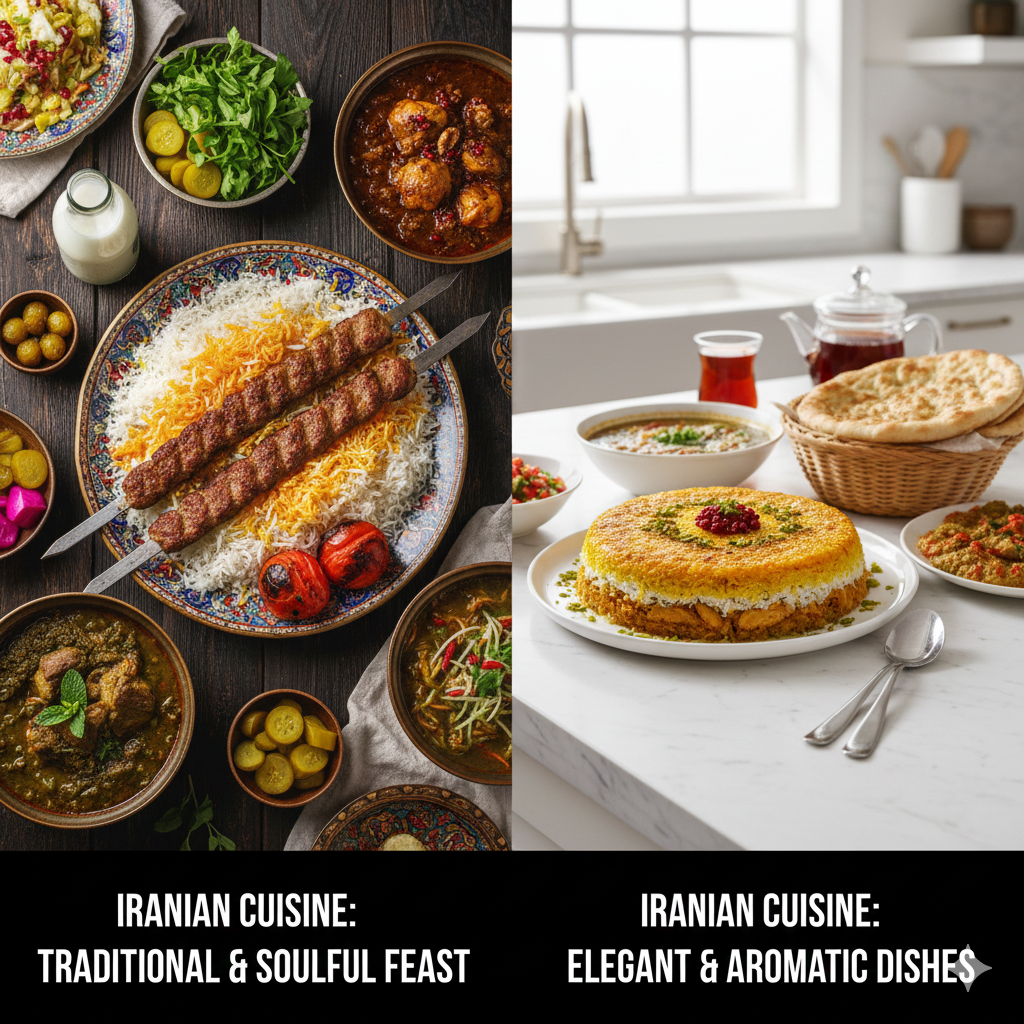
Iran cuisine recipes are known for fragrant rice, herb-forward stews, smart use of sour notes, and a table that feels generous even when the ingredients are simple. If you’ve ever tasted saffron rice with a crisp tahdig crust, a stew brightened with dried lime, or chicken perfumed with lemon and saffron, you already know the “why” behind Persian cooking’s reputation.
This guide keeps things practical. You’ll learn the flavor foundations, the pantry staples that make the biggest difference, and a set of Iran cuisine recipes you can actually cook at home, including rice with tahdig, classic khoresh stews, kebabs, soups, salads, and a couple of sweet finishes.
How Iran cuisine recipes are built: flavor, balance, and rhythm
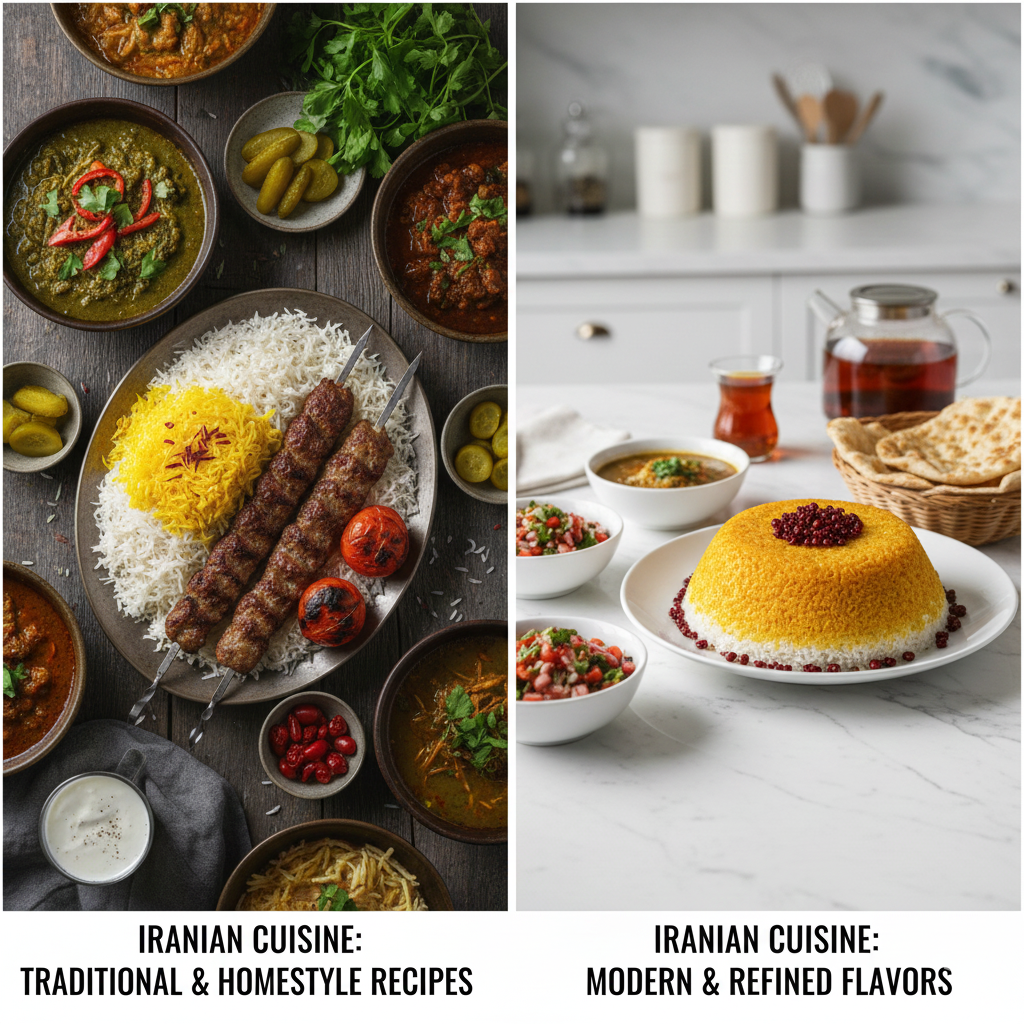
Iran cuisine recipes often aim for balance more than intensity. You’ll see sour with rich, fresh herbs with slow-cooked depth, and warm spices used with restraint. Meals tend to feel complete because the table includes contrast: something soft, something crisp, something tangy, and something comforting.
A helpful way to think about Persian cooking is “layers.” Many dishes start with gentle sautéing, then simmering, then a final lift from citrus, yogurt, or a tart fruit element like barberries or pomegranate.
The signature flavor set
Saffron is the most famous, but it’s rarely alone. Common supporting flavors include turmeric for warmth, cinnamon used lightly in some stews, dried limes for a clean tang, and ground sumac for a lemony sparkle. Fresh herbs matter a lot, especially parsley, cilantro, dill, and scallion.
You’ll also notice a love of sweet-sour pairings. Pomegranate, barberries, or dried fruit can sit next to savory meat or lentils without feeling dessert-like. When done well, it tastes bright and rounded, not sugary.
Why rice matters so much
Rice is central in many Iran cuisine recipes, not as a side afterthought, but as a “main stage” element with its own technique and pride. The goal is fluffy grains on top and a crisp, golden crust underneath. That crust, called tahdig, is often the first thing people talk about after their first Persian meal.
The pantry that makes Iran cuisine recipes easier
You don’t need a specialty store for everything, but a few items will make your cooking feel instantly more authentic. Once these are in your kitchen, the recipes start to connect and repeat naturally.
Saffron, turmeric, cumin, cinnamon, and black pepper cover most spice needs. Dried limes are a game-changer for certain stews. Barberries are small and tart, great for rice dishes. Rosewater and cardamom show up more in desserts and tea-time treats. Plain yogurt is also a quiet hero, used for marinades, sauces, and cooling sides.
Saffron basics without wasting it
Saffron is expensive because it’s labor-intensive, so the key is using it correctly. Crush a small pinch between your fingers or in a mortar, then bloom it in hot water or ice cubes. That step releases color and aroma, so you use less while getting more impact. Adding saffron directly to a pot without blooming often leads to weak flavor and wasted strands.
Easy substitutions that still taste right
If you can’t find dried limes, you can simulate some of that tang with lemon juice added at the end, or a small amount of lime zest. It won’t be identical, but it keeps the stew lively. If barberries are hard to find, chopped dried cranberries can work if you rinse them quickly and keep the portion small so they don’t turn the dish sweet.
Iran cuisine recipes you should learn first
If you’re new to Persian cooking, start with rice and one stew, then add sides. That path teaches the fundamentals without overwhelming you. The dishes below are written in a home-cook friendly way, focusing on the moves that create the right taste and texture.
Chelow rice with tahdig: fluffy top, crisp bottom
This is the rice technique that unlocks many Iran cuisine recipes. Rinse basmati-style rice until the water runs clearer. Soak it in salted water if you have time, then boil it briefly until the grains are softened on the outside but still firm in the middle. Drain well.
In the pot, heat a small amount of oil or butter. For a classic tahdig, you can line the bottom with thin potato slices or use a simple yogurt-and-oil mixture stirred into a small portion of the parboiled rice. Add the rice back into the pot in a mound, poke a few holes down through it for steam, cover with a towel-wrapped lid, and steam on low heat.
When it’s done, fluff the top. For the tahdig, carefully loosen the bottom crust and flip it onto a plate. The first time you do it, don’t chase perfection. The taste is the reward, and your crust will get more consistent with practice.
Ghormeh sabzi: herb stew with dried lime tang
Ghormeh sabzi is one of the most loved Iran cuisine recipes, and it teaches how herbs behave in slow cooking. The base is a generous mix of chopped herbs, commonly parsley and cilantro, often with some chives or scallion. Those herbs are sautéed until darkened and fragrant, which deepens flavor and keeps the stew from tasting “raw green.”
You then simmer the herbs with browned meat (lamb or beef are common), kidney beans, and dried limes. The stew cooks gently until the meat is tender and the flavors feel unified. Near the end, taste and adjust with salt and a little lemon if needed. Serve with chelow rice, letting the stew soak into the grains.
Fesenjan: pomegranate and walnut stew
Fesenjan is a masterclass in sweet-sour balance. Ground walnuts simmer into a thick, silky sauce, and pomegranate molasses gives depth and tang. Chicken is common, though you can use meatballs or keep it vegetarian with roasted squash.
The walnut sauce needs patience. You simmer it slowly, stirring often, so it doesn’t stick. The sauce darkens and becomes glossy. Then you adjust the pomegranate level to your taste: more for tang, less for a softer profile. Served with rice, it feels luxurious without requiring complicated steps.
Zereshk polo ba morgh: barberry rice with chicken
This dish is a favorite for gatherings because it looks beautiful and tastes bright. The chicken is simmered in a lightly spiced sauce until tender. The rice is cooked separately, then finished with saffron and topped with barberries sautéed briefly in a little butter or oil.
Barberries are tart, so a tiny pinch of sugar is sometimes used to round the sharpness, not to make it sweet. Spoon the chicken sauce over the rice at the table. It’s the kind of meal that makes people feel taken care of.
Joojeh kebab: saffron lemon chicken on the grill or pan
Joojeh kebab is one of the most approachable Iran cuisine recipes because it’s basically a smart marinade and good heat. Marinate chicken pieces in yogurt, lemon juice, grated onion, saffron water, salt, and black pepper. Let it sit long enough to absorb flavor, then grill or pan-sear until lightly charred and cooked through.
Serve with rice or flatbread, sliced onion, and a simple salad. If you want the restaurant-style aroma, finish with a squeeze of lemon right before serving.
Koobideh-style ground kebab: home version without stress
Koobideh is the classic ground meat kebab, usually made with beef, lamb, or a mix. The key is finely grated onion squeezed dry, plus salt and gentle mixing until the meat becomes sticky enough to hold together. Traditionally it’s cooked on skewers, but at home you can shape it into long patties and cook on a hot grill pan.
Serve with sumac, grilled tomato, and rice. The combination of smoky meat, tart sumac, and fluffy rice is simple but memorable.
Everyday sides that complete Iran cuisine recipes
Iran cuisine recipes shine because the supporting dishes are not just “extra.” They’re part of the balance, adding crunch, coolness, and fresh lift. These sides also help you adapt meals for different tastes, including picky eaters.
Shirazi salad: crisp and bright
Shirazi salad is a mix of finely chopped cucumber, tomato, and onion, dressed with lemon or lime and a little salt. Some people add dried mint. It’s refreshing next to rich stews and kebabs, and it’s quick enough for weeknights.
If your onions feel too sharp, rinse them in cold water and drain well. That small step softens the bite without losing flavor.
Mast o khiar: yogurt and cucumber with herbs
This cooling side is perfect when you want contrast. Plain yogurt is mixed with chopped cucumber, dried mint or fresh herbs, a pinch of salt, and sometimes raisins or walnuts. It’s calming next to spicy or sour dishes, and it works as a dip with bread.
If you want a lighter table, this is one of the easiest additions that makes the meal feel complete.
Kuku sabzi: herb frittata that works for breakfast or dinner
Kuku sabzi is a herb-packed egg dish, often baked or pan-cooked until set. It’s a smart way to use herbs, and it’s also a friendly entry point if you want Iran cuisine recipes that feel simple and protein-forward.
You mix eggs with chopped herbs and a little seasoning, then cook until the center sets. It can be served warm or room temperature, making it useful for packed lunches too.
Soups and comfort bowls in Iranian cooking
Soups in Iran cuisine recipes often feel like full meals, with legumes, noodles, and herbs. They’re also a good place to practice seasoning gently, then finishing with brightness.
Ash reshteh: thick herb and noodle soup
Ash reshteh is hearty and layered. It often includes herbs, beans or lentils, noodles, and a tangy finish. At home, you can start by cooking onions slowly until golden, then building the soup with legumes and herbs, adding noodles near the end so they don’t turn mushy.
The final touch is usually something tangy and creamy. Many cooks use a fermented dairy component, but you can also finish with yogurt and lemon if you’re keeping it simple. The goal is a soup that feels rich yet balanced.
Adasi: lentil soup that fits any day
Lentil soup is one of the easiest Iran cuisine recipes to cook regularly. You simmer lentils with onion, turmeric, and a little cumin, then finish with lemon. Serve with bread and a small salad. It’s calm, filling, and easy on the budget.
Desserts and tea-time flavors to know
Desserts in Iranian cooking often lean aromatic rather than heavy. Rosewater, saffron, and cardamom show up a lot, and nuts like pistachio and almond add texture.
Sholeh zard: saffron rice pudding
Sholeh zard is a saffron rice pudding that’s gently sweet and deeply fragrant. Rice is cooked until very soft, then simmered with sugar, saffron water, and often rosewater. The texture becomes creamy as the rice breaks down.
It’s often topped with cinnamon and chopped nuts. Serve it chilled or at room temperature. The flavor is subtle, so use saffron thoughtfully and keep rosewater light so it doesn’t overwhelm.
Simple cardamom tea pairing
If you want a quick “Persian feel” after a meal, brew black tea and add a hint of cardamom. Serve with dates or a small cookie. It’s a small finish that matches the table’s gentle aromatics.
How to plan a Persian-style meal without getting overwhelmed
Iran cuisine recipes can look complex when you see long ingredient lists, but the table becomes manageable when you think in sets. Pick one main dish, one rice, and two simple sides. That’s enough for a full spread.
A good first menu is chelow rice, joojeh kebab, shirazi salad, and mast o khiar. For a deeper weekend cook, try chelow rice with tahdig, ghormeh sabzi, and a side salad. You’ll learn a lot from repeating rice and changing only the main.
Make-ahead moves that save time
Many stews taste better the next day, so cooking them ahead is a gift to your future self. You can also chop herbs in advance and store them wrapped so they stay fresh. Rice is best made fresh, but you can rinse and soak it earlier in the day to make the cook faster at dinner.
Storage and leftovers that stay enjoyable
Stews store well in the fridge and reheat gently. Keep rice separate so it doesn’t turn soggy. If tahdig is left over, reheat it in a dry pan to bring back crunch. For kebabs, reheat slowly and add a squeeze of lemon to revive aroma.
Conclusion
Iran cuisine recipes are easier than they look once you learn the foundations: well-cooked rice, gentle use of saffron and turmeric, the bright tang of lemon or dried lime, and the steady rhythm of simmering stews until they taste complete. Start with chelow rice and one classic dish like joojeh kebab or ghormeh sabzi, then add sides like shirazi salad and mast o khiar to bring balance. With a few pantry staples and repeatable techniques, you can build a Persian table at home that feels welcoming, fragrant, and deeply satisfying.
FAQs
What are the most beginner-friendly Iran cuisine recipes to start with?
Chelow rice, joojeh kebab, shirazi salad, and a simple yogurt-cucumber side are great starters. They teach core flavors without long simmer times.
How do I make tahdig crispy without burning it?
Use low heat, a heavy-bottom pot, and enough oil to coat the bottom. Steam the rice patiently and don’t rush the crust. Once you smell a toasty aroma, you’re usually close.
Do I need saffron to cook Persian food?
Saffron is iconic, but not mandatory for every dish. Many Iran cuisine recipes rely more on herbs, onion, turmeric, and sour notes. If you buy saffron, bloom a tiny pinch to stretch it.
What can I use if I can’t find dried limes?
Finish stews with lemon or lime juice near the end for brightness. You can also add a small amount of lime zest, tasting carefully so it doesn’t turn bitter.
Are there vegetarian options in Iranian cooking?
Yes. Herb omelets like kuku sabzi, lentil soups, and some vegetable-based stews are popular. You can also adapt walnut and pomegranate sauces to pair with roasted vegetables.
How do I keep herb stews from tasting grassy?
Sauté chopped herbs until they darken and smell fragrant before simmering. That step deepens flavor and removes the raw edge.
What’s the easiest way to make rice fluffy?
Rinse well, parboil briefly, drain thoroughly, and steam on low heat. Avoid stirring once it’s steaming, since that can break grains and affect texture.